Pau Casals Museum
Pau Casals Museum
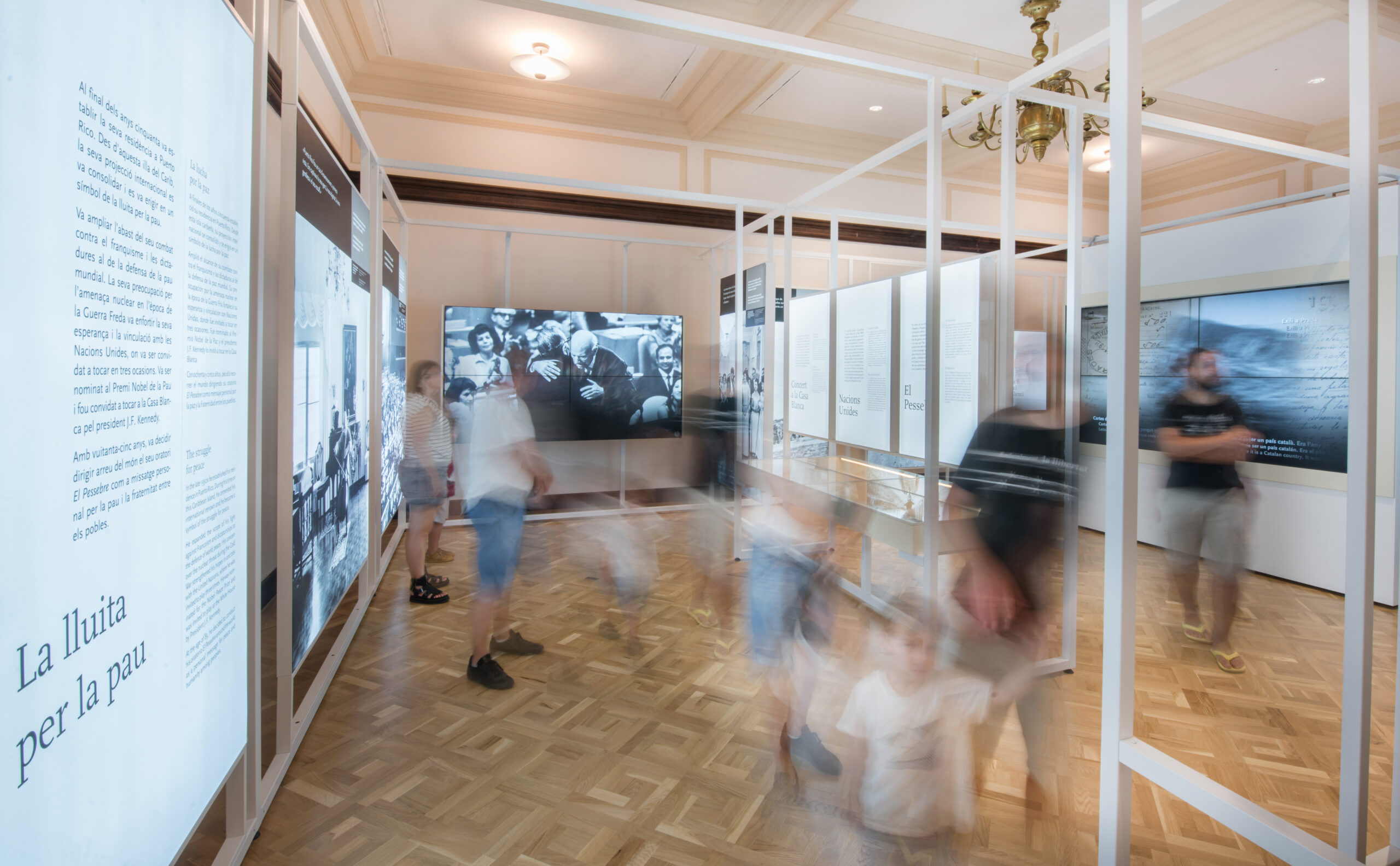
Pau Casals Museum
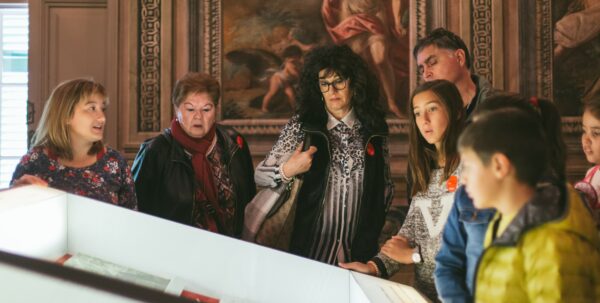
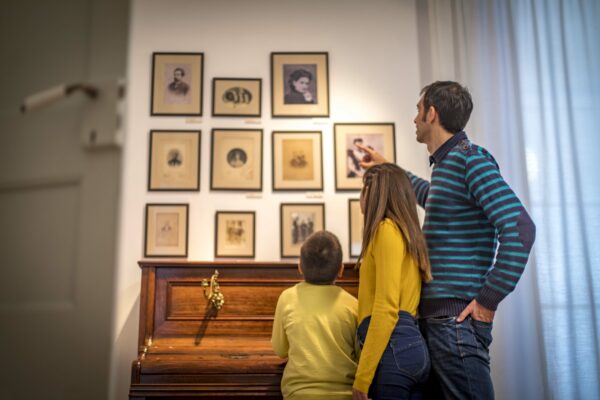
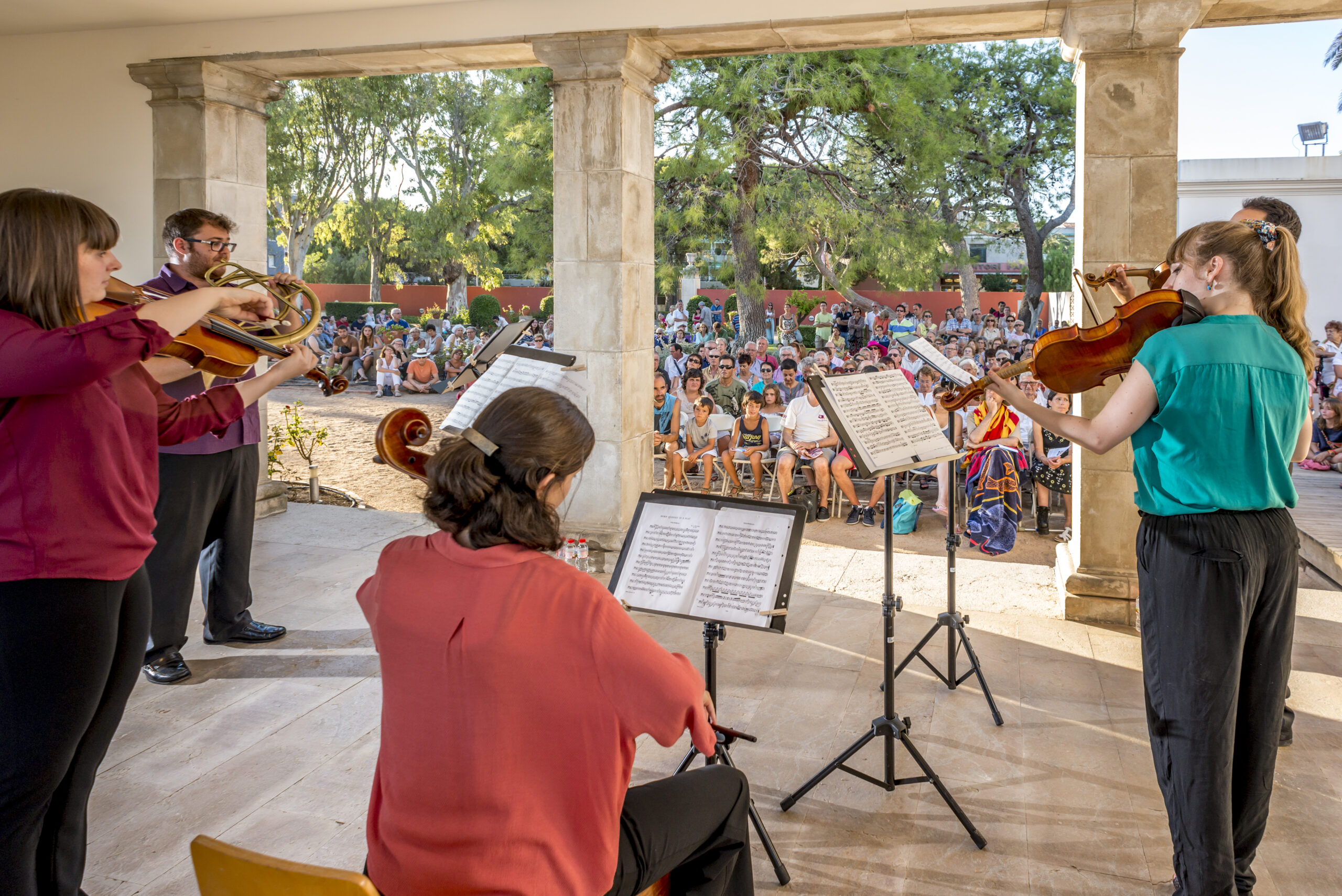
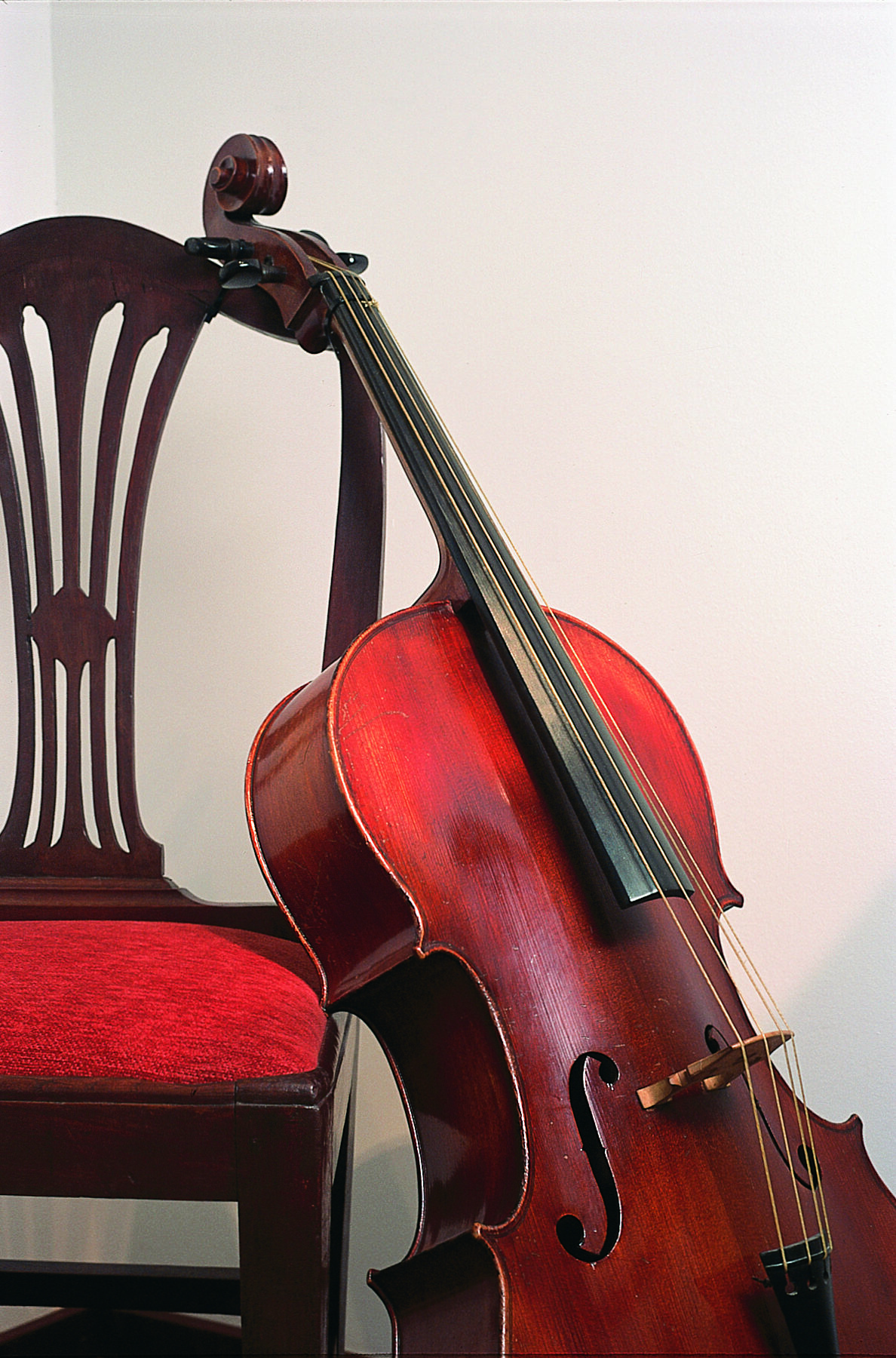
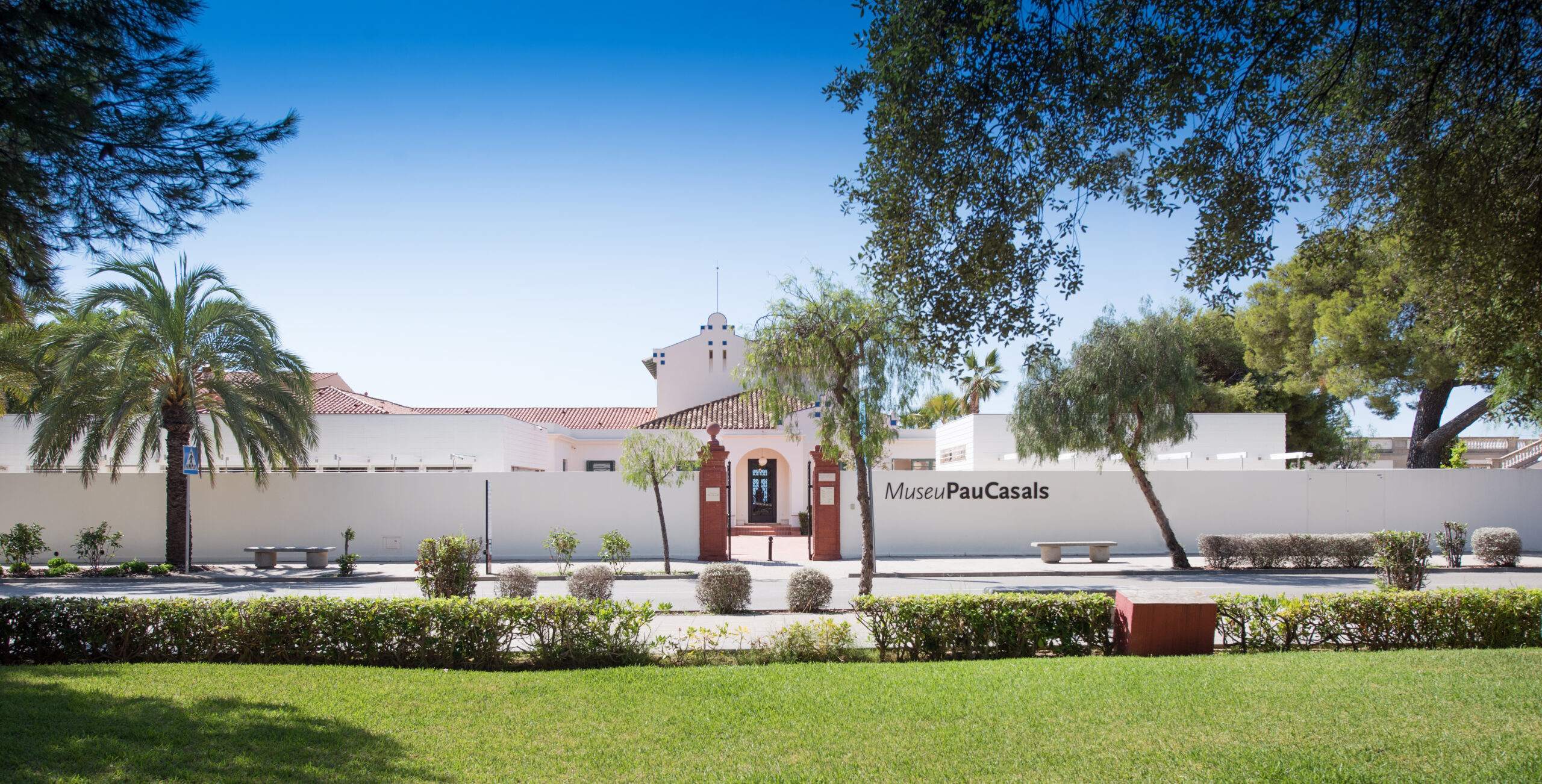
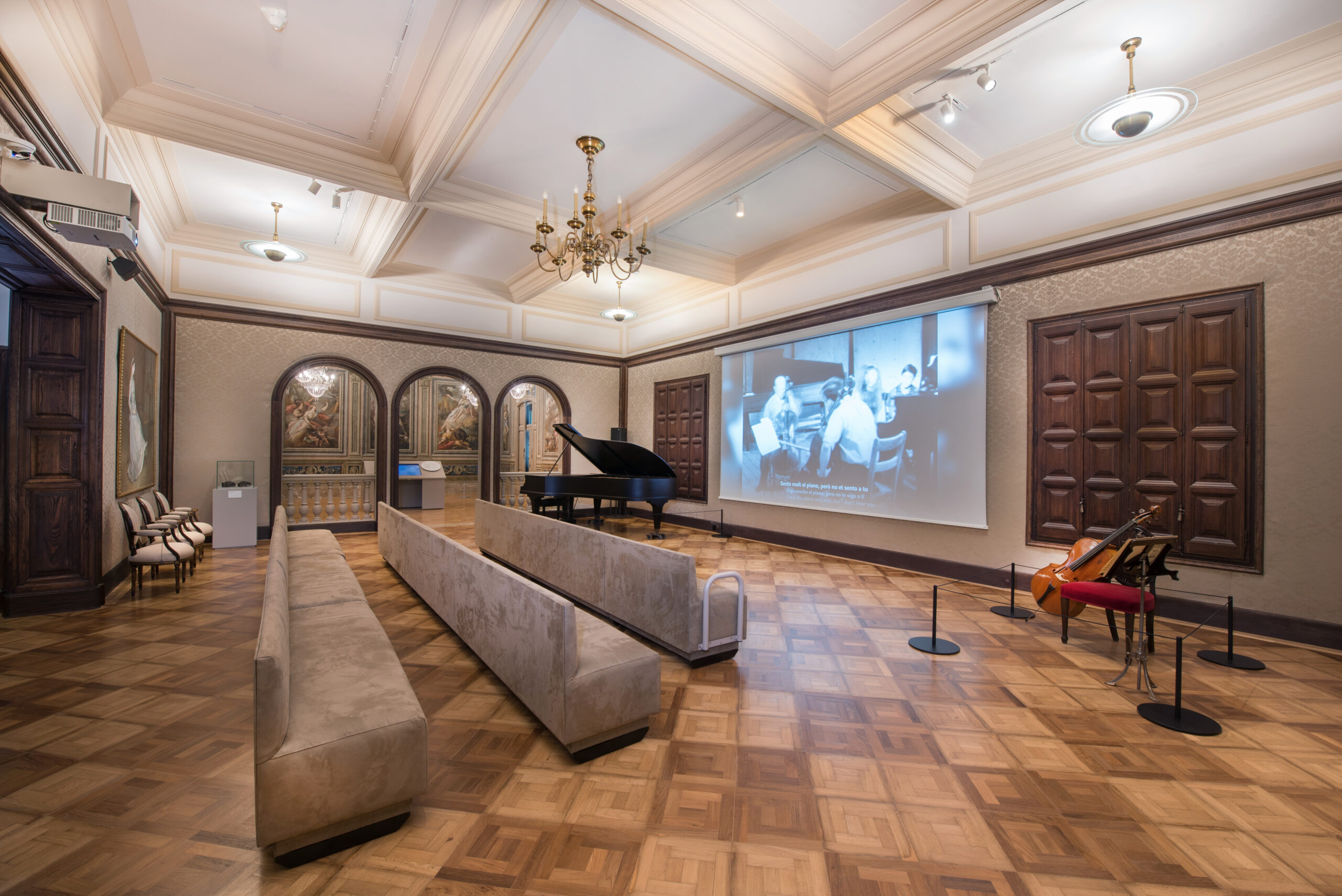
The Pau Casals Museum is located in the summer house that Pablo Casals had on the Sant Salvador beach, in the municipality of El Vendrell. When you visit it, you will discover the life and human legacy of one of the most important musicians of the 20th century and at the same time enjoying a unique heritage space.
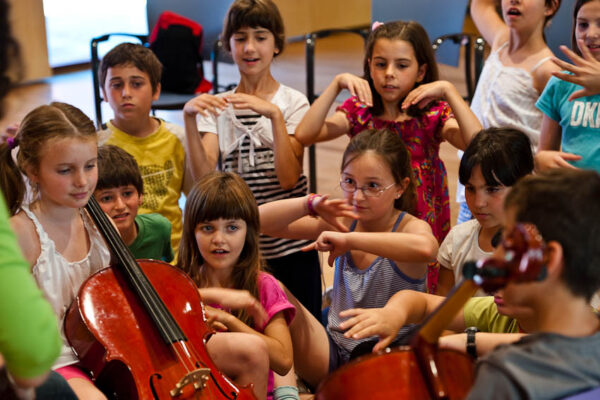
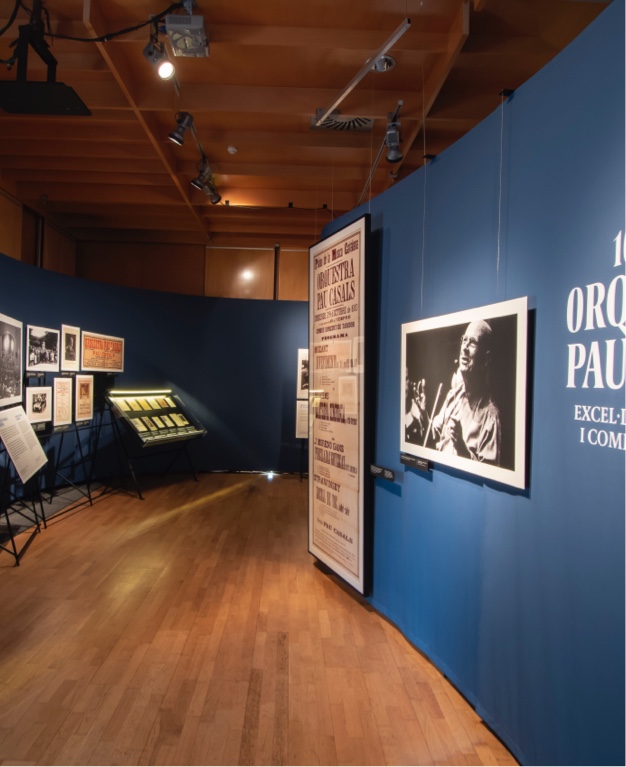
Located less than an hour from Barcelona and only twenty minutes from Tarragona, it has a magnificent neoclassical garden annexed to the main building, as well as a shop and restaurant. The museum runs a regular year-round program of activities and exhibitions for all audiences.
Opening hours – Summer (24/06 to 11/09)
Monday to Saturday: from 10 a.m. to 2 p.m. and from 4:30 p.m. to 8 p.m.
Sunday and holidays: from 10 a.m. to 2 p.m.
Opening hours – Winter (12/09 to 23/06)
Monday to Friday: from 10 a.m. to 2 p.m. and from 4 p.m. to 6 p.m.
Saturday: from 10 a.m. to 2 p.m. and from 4 p.m. to 7 p.m.
Sunday and holidays: from 10 a.m. to 2 p.m.
Closed
All Mondays
1, 5, 6 January · 25, 26 December
24, 31 Desember (4 p.m. to 6 p.m.)
General €8
Reduced €6
Retired persons
Pensioners
Unemployed
Disabled
Student Card
Accompanied minors
Youth hostellers
Groups (more than 15 people) €6
School children Free
Free of charge
Children under 8 years of age
Under 12s with a large family card
Members of ICOM
Journalists and art critics
Important: Please present the necessary proof of accreditation. Thank you very much.
Avinguda de Palfuriana, 67
43880 Platja de Sant Salvador, El Vendrell
Tarragona
Latitude: 41.183376
Longitude: 1.541519
Motorway AP-7 Exit 31, towards Coma-ruga
Motorway Pau Casals C-32 Exit 3, towards Coma-ruga/Sant Salvador
Road N-340 (A-7), towards Coma-ruga
RENFE (Line R2, south): Sant Vicenç de Calders Station
RENFE (Line R4, south): Sant Vicenç de Calders Station
View timetables here.
The Museum is approximately 30 minutes walk from the station.
Taxi service: +34 977 681 126
Line L2, stop: Sant Salvador – Plaça Sant Salvador (Pl. Palmeres)
View timetables here.
El Vendrell Public Transport route